
When Tribe Replaces Truth, Democracy Dies
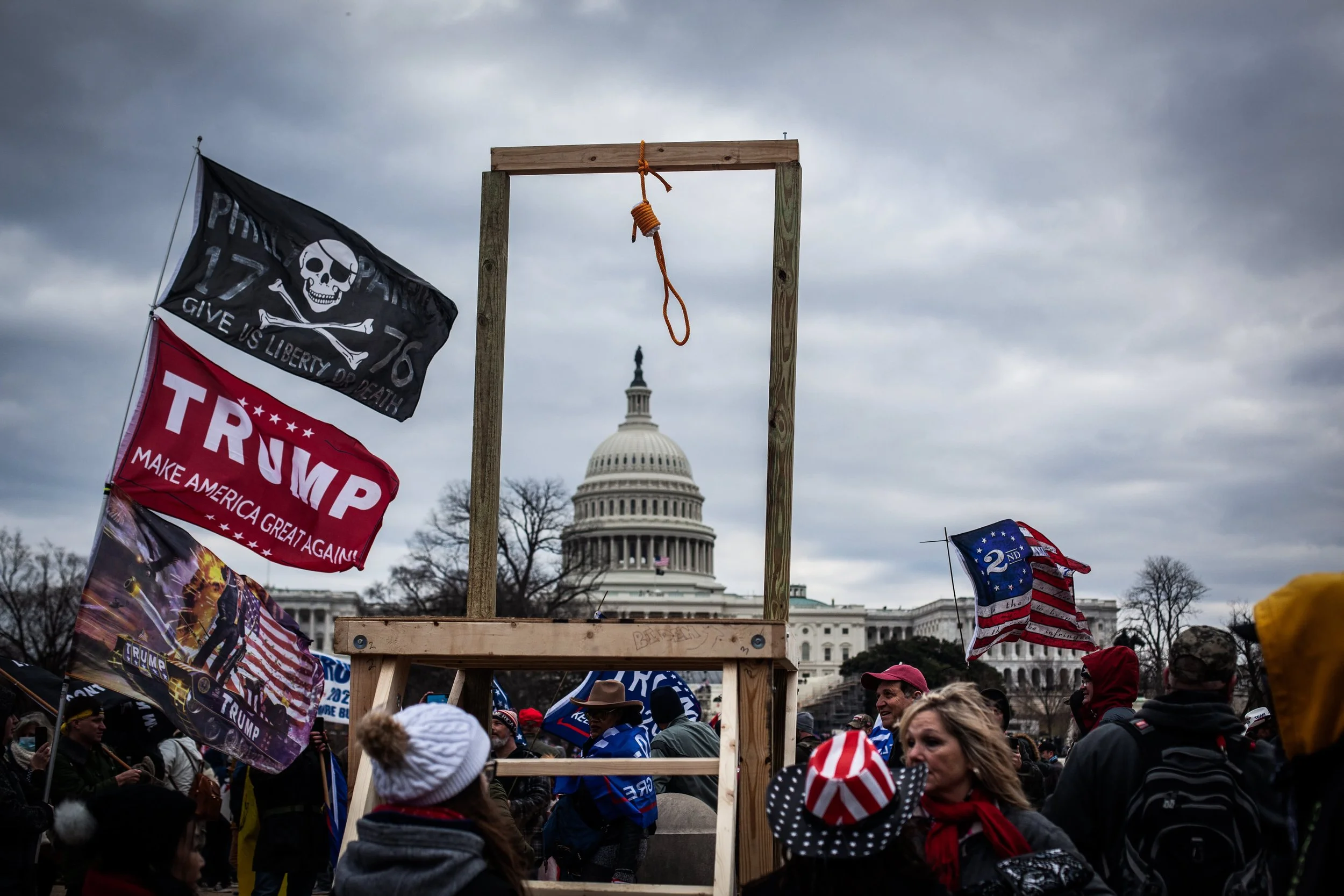
What we are witnessing is not simply polarization. It is the erosion of shared reality itself. The danger is training millions of people to distrust reality itself.
In a healthy democracy, disagreement is normal—even necessary. Citizens weigh evidence differently, prioritize different values, and argue over solutions. But something far more dangerous has taken hold in recent years: the steady replacement of truth with loyalty, and evidence with allegiance.
What we are witnessing now is not merely polarization. It is the erosion of shared reality itself.
Social scientists have long studied this phenomenon. It’s often called identity-protective cognition or motivated reasoning—the tendency to interpret information in ways that preserve one’s standing within a group. When beliefs become fused with identity, facts stop functioning as tools for understanding and begin to feel like threats.
At that point, truth is no longer evaluated on its merits. It is accepted or rejected based on who it helps—and who it hurts.
This isn’t a flaw unique to one political party or ideology. It’s a human vulnerability. But in an era of algorithm-driven media, coordinated disinformation, and power structures that reward loyalty over honesty, its consequences have become impossible to ignore.
How Tribal Thinking Overrides Reality
Decades of research in social psychology show that humans are not neutral processors of information. We instinctively favor claims that affirm our group identity and discount those that challenge it—even when the evidence is overwhelming.
Studies by Yale researcher Dan Kahan and others reveal a deeply unsettling truth: higher education and intelligence do not necessarily protect against bias. In many cases, they simply make people more skilled at defending the beliefs of their group. Reason becomes a weapon for justification rather than a tool for correction.
This helps explain a growing paradox in American life: why large numbers of people now defend statements that are demonstrably false, excuse conduct that violates their stated values, or dismiss clear evidence as fabrication—so long as the source aligns with their tribe.
When Power Exploits Tribal Loyalty
Tribal thinking becomes especially dangerous when it is deliberately cultivated by those in power.
We have seen repeated examples of government officials and aligned media outlets promoting narratives that collapse under even minimal scrutiny—altered images presented as evidence, false claims denied despite clear video records, and official statements that contradict documented facts. When these claims are challenged, the response is rarely correction. It is denial, deflection, or attack.
In these moments, loyalty becomes the test of belonging. To acknowledge reality is framed as betrayal. To ask questions is to side with the enemy.
This dynamic has real-world consequences.
In Minneapolis and elsewhere, ICE operations have resulted in innocent people—lawful residents and citizens—being detained, injured, and in some cases killed. Yet official narratives often bear little resemblance to verified evidence. When government accounts are demonstrably false and no independent investigation follows, the issue is no longer policy disagreement. It is institutional unaccountability.
The same pattern appears in healthcare. Millions of Americans are losing coverage or facing rising premiums, even as political leaders insist conditions are improving or promise plans that never materialize. Documented outcomes are dismissed. Failures are rebranded as successes. And the public is asked—again—to trust loyalty over evidence.
Why Disinformation Thrives in Tribal Environments
Misinformation does not spread because people lack access to facts. It spreads because certain claims feel right within a group’s story.
When identity is at stake:
Contradictory evidence is dismissed as biased or corrupt
Independent journalism is replaced with loyal media
Correction is treated as attack
Truth becomes conditional
Over time, this produces a breakdown of shared reality. Citizens are no longer arguing about solutions; they are arguing about whether basic facts exist at all.
At that point, democratic decision-making becomes impossible.
What This Means for Democracy
Democracy does not require consensus. But it does require a common factual foundation.
When tribal allegiance consistently overrides truth:
Policy failures repeat without accountability
Institutions weaken under sustained dishonesty
Violence becomes easier to justify
Citizens lose the ability to self-govern
This is why leading historians and constitutional scholars now openly question whether democratic norms—and even constitutional safeguards—can withstand sustained, organized disinformation paired with loyalty-based power.
The danger is not that people disagree.
The danger is that millions are being conditioned to distrust reality itself.
The Question We Can No Longer Avoid
None of us are immune to tribal thinking. The question is not whether identity influences belief—it always does. The question is whether we are willing to recognize when loyalty demands the abandonment of truth.
Because when citizens choose tribe over evidence, they are not merely choosing sides.
They are choosing tribe over accountability.
Tribe over democracy.
Tribe over the shared reality that makes freedom possible.
The future will not be decided by who shouts the loudest—but by who is willing to remain honest when honesty carries a cost.
Rebuilding shared truth begins with that choice.
The People’s Democracy
Shared truth is not optional. It is the foundation of self-government.